How to Maintain Your Travel Bags: Recommendations for Long-lasting Use and Maintenance
Giving proper care of luggage bags is crucial for preserving their performance and look over time. Regular cleaning, correct keeping, and prompt repairs can significantly prolong their lifespan. Many travelers ignore basic upkeep routines that can avoid wear and degradation. Knowing the best methods for maintenance is important. As travelers get ready for their upcoming trip, they might consider the specific steps they can implement to ensure their luggage stays in excellent shape.
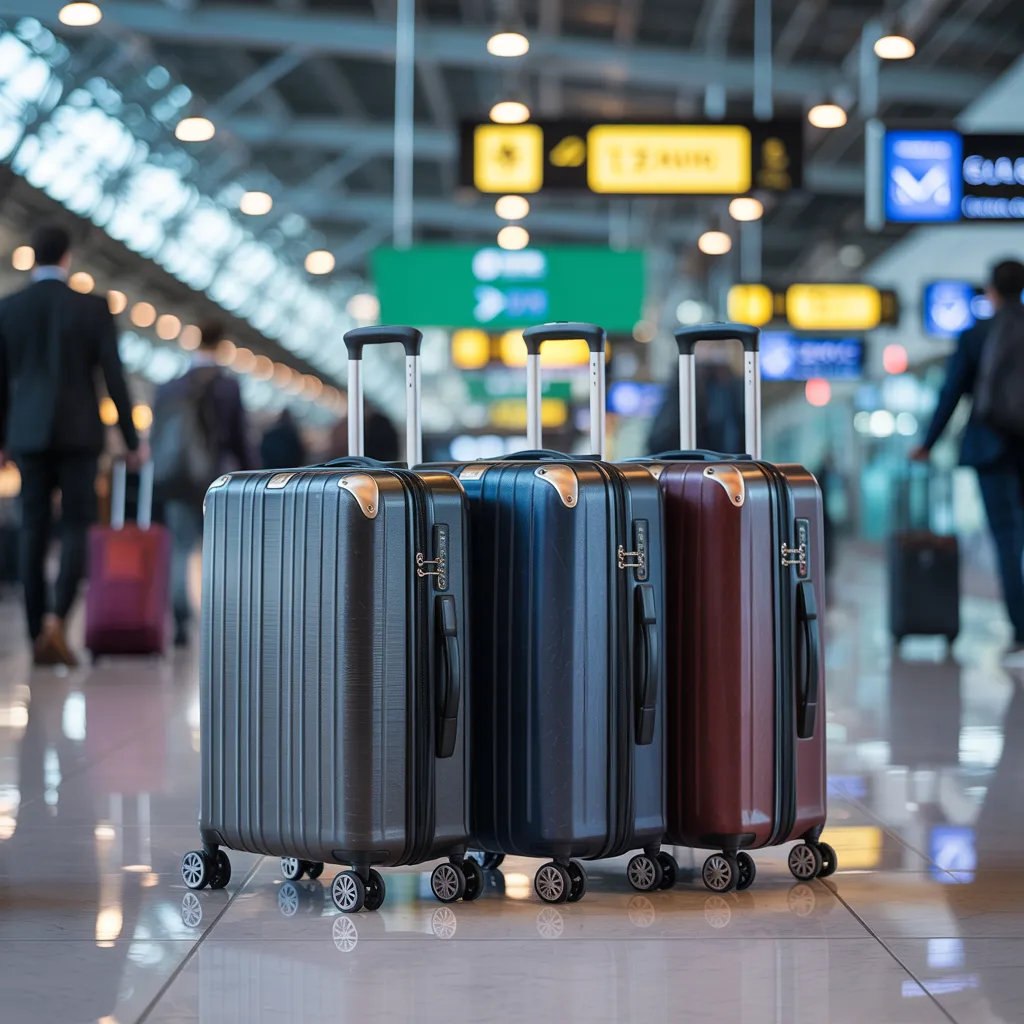
Steps for Washing Your Travel Bags: A Complete Guide
To keep luggage in good condition and extend its longevity, cleaning is important. Start by emptying all compartments, ensuring that no items remain. Then, use a soft brush or cloth to gently brush the exterior and clean off dust and debris. For fabric luggage, apply a blend of mild soap and water with a sponge; leather requires specific leather cleaner to prevent damage. It’s crucial to test any cleaning solution on a small, discreet area first.
After cleaning, the luggage should be wiped clean with a damp cloth to eliminate soap residue. For stubborn stains, a blend of vinegar and water may be effective, but care should be taken. Finally, the luggage should be fully dried in the air before putting away, ensuring that dampness doesn't cause mildew. Regular upkeep not only enhances aesthetics but also extends the lifespan of the luggage, making it a valuable routine.
Maintaining Your Luggage: Optimal Practices for Longevity
Correctly preserving luggage is crucial for guaranteeing its longevity and maintaining its overall condition. When not in use, luggage should be kept in a dry, cool location to prevent damage from humidity and extreme temperatures. Ideally, it should be stored upright to maintain its shape, preventing any unnecessary pressure on the zippers and seams.
If circumstances allow, employ dust bags or protective covers to shield luggage from dust and scratches. Do not stack heavy items on top of luggage, as this can warp its structure over time. For soft-sided bags, keeping them partially packed with soft items can help maintain shape, while hard-shell cases should be kept empty to prevent any internal pressure.
Frequently inspecting the storage area for pests or moisture can eliminate long-term damage. By following these best practices, individuals can guarantee their suitcases keeps in top-notch condition for later expeditions.
Address Ordinary Luggage Difficulties Easily
Standard luggage problems, like stuck zippers, seams, and damaged handles or wheels, are often repairable through easy repairs. Mastering core repair techniques can extend the durability of luggage and enrich travel experiences. This section will outline effective strategies for handling these frequent problems.
Repairing Zippers and Seams
Zippers and seams are key components of luggage, and when they become defective, they can harm the robustness of the bag. To address zipper malfunctions, one can often apply a lubricating agent, such as silicone spray or graphite, to smooth movement. If a zipper is poorly aligned, gently pulling the slider back can restore alignment it. For damaged zippers, changing the slider may be important, which can be accomplished with a few primary tools.
Seams, on the other hand, may require stitching if they come undone. Using a needle and strong thread, one can carefully sew it closed, ensuring the stitches are tight and secure. Regular inspection and prompt fixes can greatly extend the lifespan of luggage bags.
Fixing Handle and Wheels
Handles and wheels are essential for the movement of luggage, and when they break down, travel can become frustrating. To fix a broken handle, one can often reconnect it using screws or adhesive, depending on the damage. For wheels, inspect for debris or obstructions, as these can hinder movement. If a wheel is damaged, replacing it may be necessary; many luggage brands offer compatible replacement parts. A simple toolset, including a screwdriver and pliers, is often sufficient for these repairs. Regular maintenance, such as cleaning wheels and checking for wear, can avoid issues. By addressing these components promptly, travelers can extend the life of their luggage and avoid inconvenience during trips.
Shield Your Baggage From Harm on the Go
Travelers need to adopt protective measures to defend their luggage from possible wear while on the move. A strong luggage cover can provide an important layer of safety against nicks and marks during transit. Additionally, applying appropriate packing methods is critical; items should be locked down to prevent movement, which can cause wear and tear.
When traversing busy airports or train stations, it is prudent to monitor luggage at all times. Using a unique marker, such as a colorful strap or tag, can help deter theft and guarantee easy identification. Moreover, travelers should refrain from packing excessively, as excess weight can strain zippers and seams, leading to damage.
Finally, when examining bags, choosing a reputable copyright and understanding their baggage policies can decrease the risk of rough treatment. By adopting these methods, travelers can substantially prolong the lifespan of their suitcases.
Important Equipment for Baggage Maintenance
A well-kept suitcase can significantly improve a traveler's experience, making necessary components critical for luggage maintenance. One basic component is a suitcase protector, which protects against scratches and dirt during travel. These covers come in various dimensions and designs, ensuring suitability with different suitcase types.
In addition, organizing cubes can help organize belongings and prevent clutter, contributing to ease during packing and unpacking. A reliable luggage lock adds security, safeguarding valuables from potential theft. Moreover, a portable luggage scale is invaluable, helping travelers avoid overweight baggage important information fees by ensuring compliance with copyright weight limits.
In conclusion, a compact cleaning kit can be helpful for maintaining the suitcase's exterior in proper shape, allowing for quick touch-ups after trips. By investing in these accessories, travelers can significantly extend the longevity of their luggage while enhancing their overall vacation.
Traveling Securely With Your Bags: Advice and Strategies
When journeying, selecting luggage made from durable materials is crucial for ensuring safety and durability. Additionally, securely locking belongings can prevent theft and keep items safe during transit. By prioritizing these aspects, travelers can improve their overall luggage experience.
Opt for Strong Substances
Opting for luggage made with resilient materials is important for ensuring durability and protecting during journeys. High-quality fabrics, such as polycarbonate, ballistic nylon, and high-density polyester, can withstand the rigors of ongoing handling and various weather conditions. These materials are not only resistant to marks and strikes but also moisture-resistant, offering an extra layer of security for items. Furthermore, reinforced stitching and strong fasteners strengthen overall durability, limiting damage as over time. Passengers should think about light options that preserve strength, as this can make simpler easier transport. By focusing on resilient fabrics, travelers can significantly reduce the risk of damage, guaranteeing their baggage remains functional and reliable for years to come.
Defend Your Belongings
Maintaining the safety of your belongings during trips is vital for preventing loss or stealing. Voyagers should think about using bag locks to discourage unwanted entry, making sure bags are securely closed. Additionally, using organization cubes can assist in arranging items and make it more difficult for thieves to quickly access precious items. It is advisable to keep important belongings, such as passports and electronics, in carry-on luggage rather than baggage compartments. When in transit, travelers should keep visual contact with their luggage whenever feasible and avoid leaving bags unsupervised in public spaces. Using identification tags with personal details can aid in recovery if bags are lost. By adopting these strategies, travelers can notably enhance the security of their items while on the move.
Common Questions Asked Frequently
How Regularly Should I Refresh My Travel Cases?
Luggage bags should ideally be maintained after every trip, especially if they show visible dirt or stains. Regular maintenance boosts their look and longevity, making sure they keep in good condition for future travels.
What Materials Are Most Long-lasting for Luggage?
Polycarbonate, ballistic nylon, and high-denier polyester are among the most durable materials for baggage. These fabrics provide outstanding resistance to damage, guaranteeing durability and reliability during prolonged journeys or rough handling.
May I Tailor My Luggage for More Convenient Identification?
Yes, luggage can be customized for enhanced recognition. Possibilities include adding signature straps, personalized tags, or unique stickers. These enhancements enhance recognition and lower the odds of mix-ups while traveling, making your bags stand out effectively.
What's the Best Way to Pick Bag Capacity for Your Travel?
Picking the ideal bag size depends upon travel duration and specific requirements. For short trips, a overhead bag suffices; prolonged travels may necessitate larger bags. Consider room for necessities, keepsakes, and copyright rules when making your choice.
Do Luggage Bags Come with Protection Plans?
Several baggage companies offer protection plans, usually covering manufacturing defects. Consumers need to review warranty details before purchasing, since conditions vary considerably. A robust coverage option can boost long-term gratification and protect from unexpected complications.